You are already inside it.
The cybernetic society is not coming.
It arrived when you started scrolling
Florian KuhlmannISBN 979-8310580718
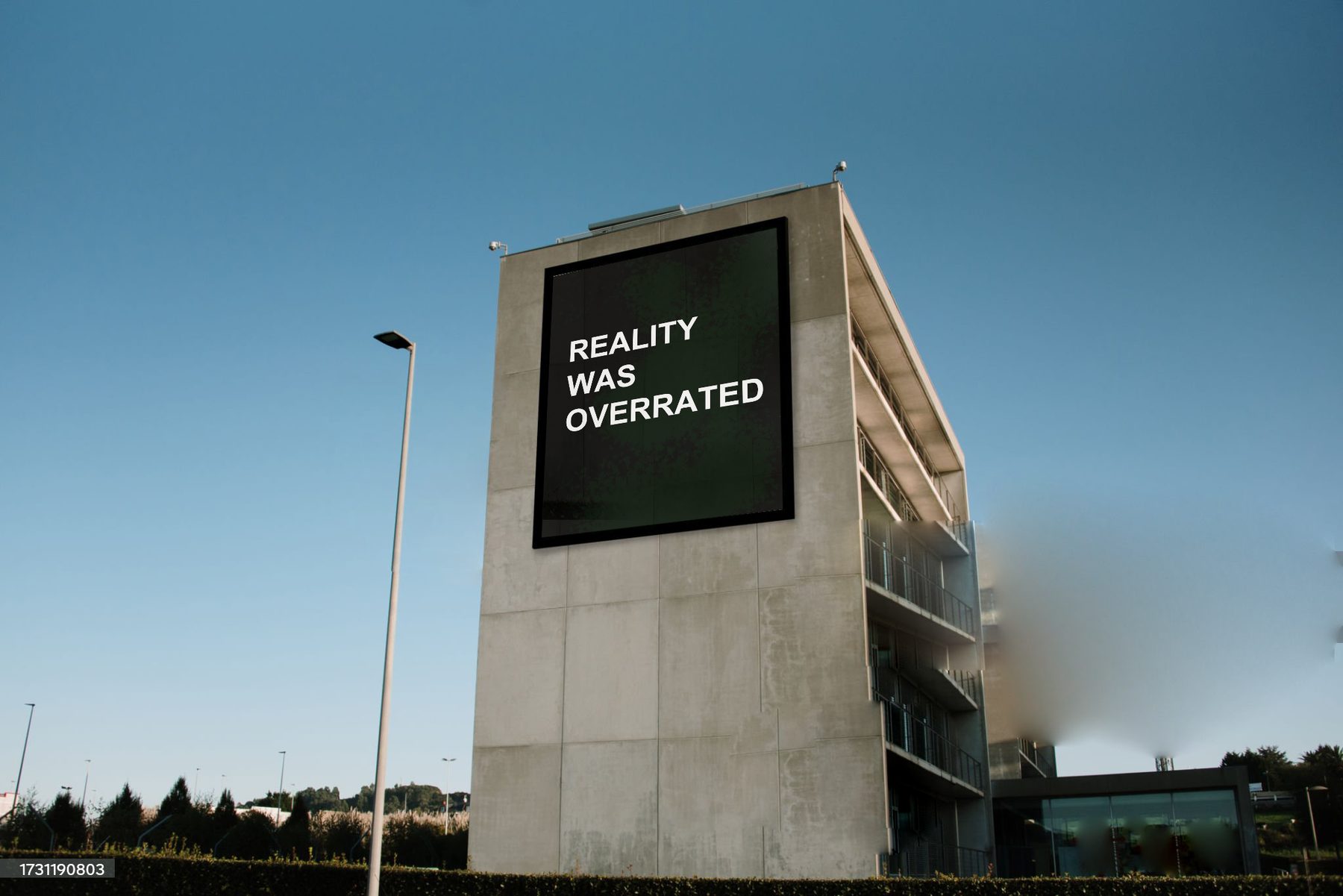
ambivalencefeedbacksignalnoiseaccess controltruth?the usermetamodernitydisinformationthe meta-levelcollective unconsciousreality was overratedambivalencefeedbacksignalnoiseaccess controltruth?the usermetamodernitydisinformationthe meta-levelcollective unconsciousreality was overrated
Dedication
I dedicate this book to the four people dearest to me:Rieke, Theo, Nela, and Oke.
The Question
"Is the cybernetic society a utopia, a dystopia, or simply the next logical stage of human development? Between theory and speculation, media critique and metamodernity, this question deliberately remains open — challenging the reader to find their own position."
— ChatGPT-4o, January 2025
Position yourself
The question deliberately remains open — challenging the reader to find their own position.
01 — Ambivalence
A Society of Total Shared Feeling
The Cybernetic Society (as of January 2025)
The cybernetic society is a society of ambivalence, of total shared feeling, of mental stimuli, of affects, and of permanent feedback.
Its communicative basis is the distinct sign and the triggering impulse built upon it. Its desired state of consciousness is the meta-level. Through this, continuous self-observation and reflection occur in an endless loop.
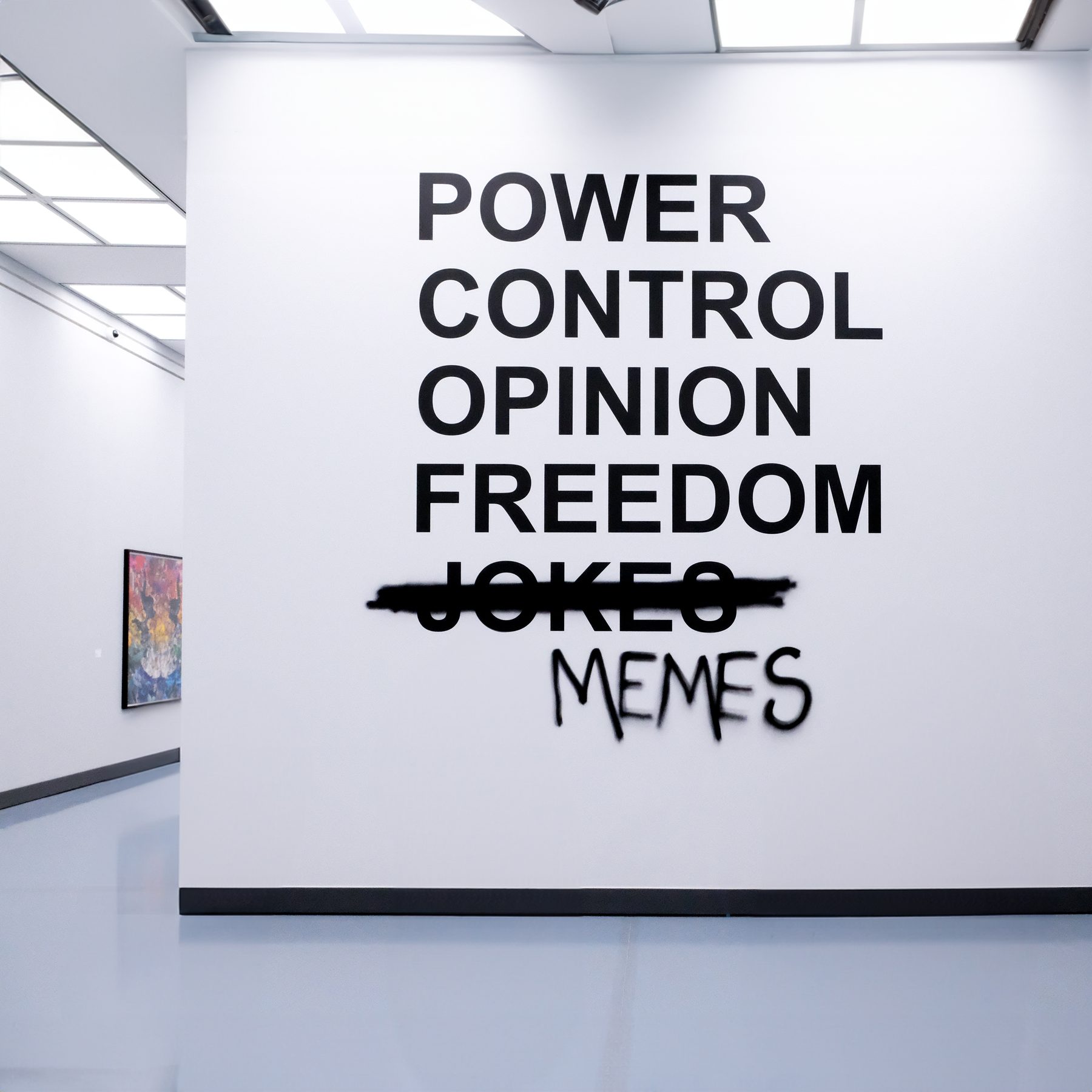
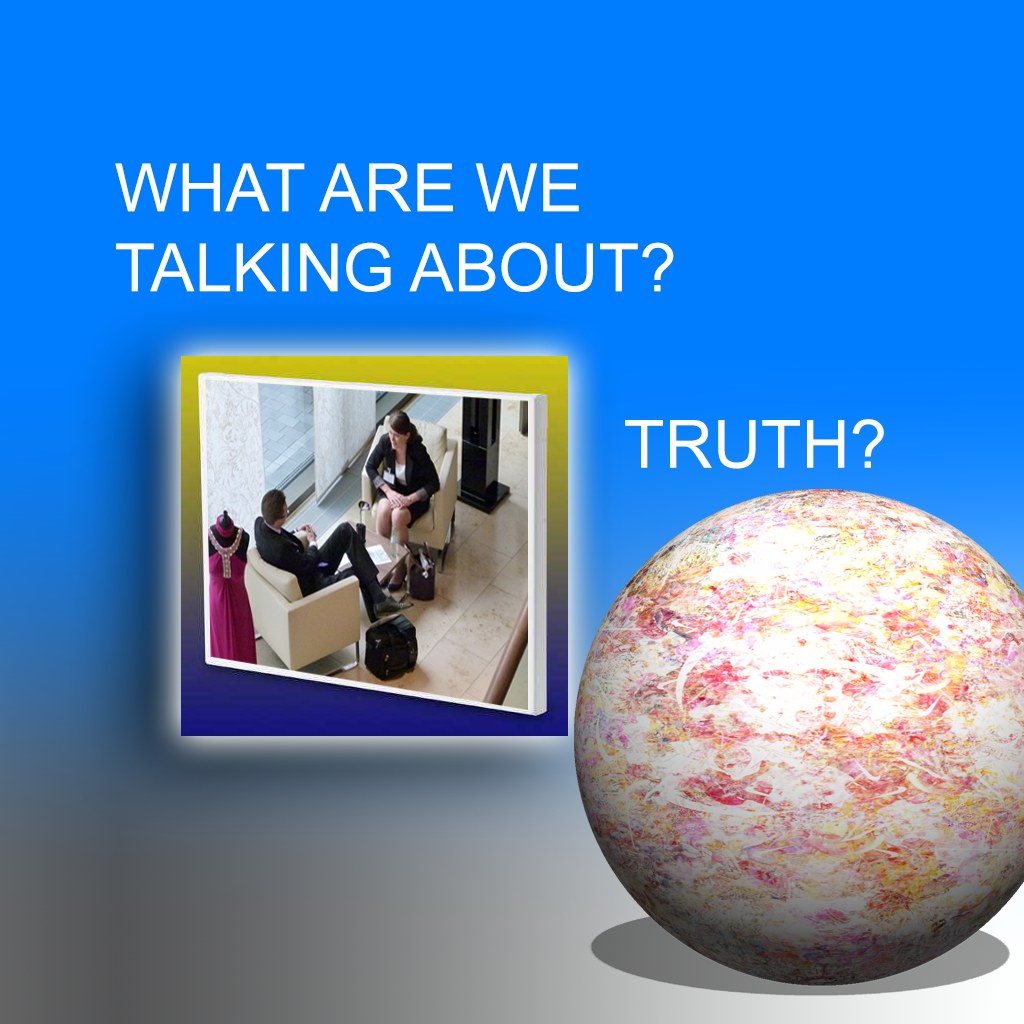
↗Florian Kuhlmann — Power · Control · Opinion · Freedom · ~~Jokes~~ · Memes↗Florian Kuhlmann — What Are We Talking About? Truth?
In the cybernetic society, everything simulates the multi-perspective medial flux. Hence, no universally valid truth exists within it.
Instead, reality is based on media-mediated probabilities, which are continuously recalculated, constructed, and negotiated out of the combination of discrete states — i.e., facts — and the collective noise of discourse within the user community.
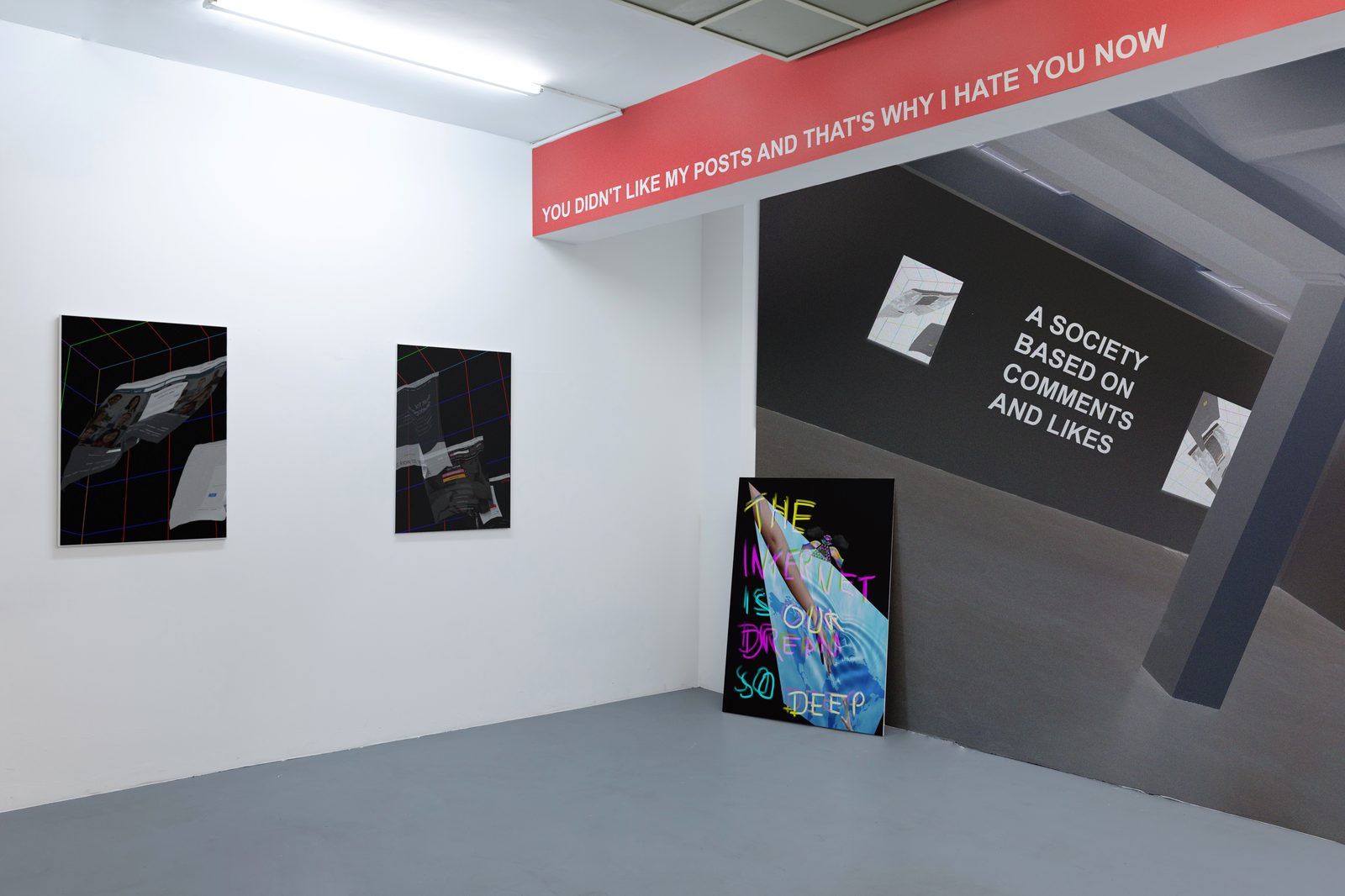
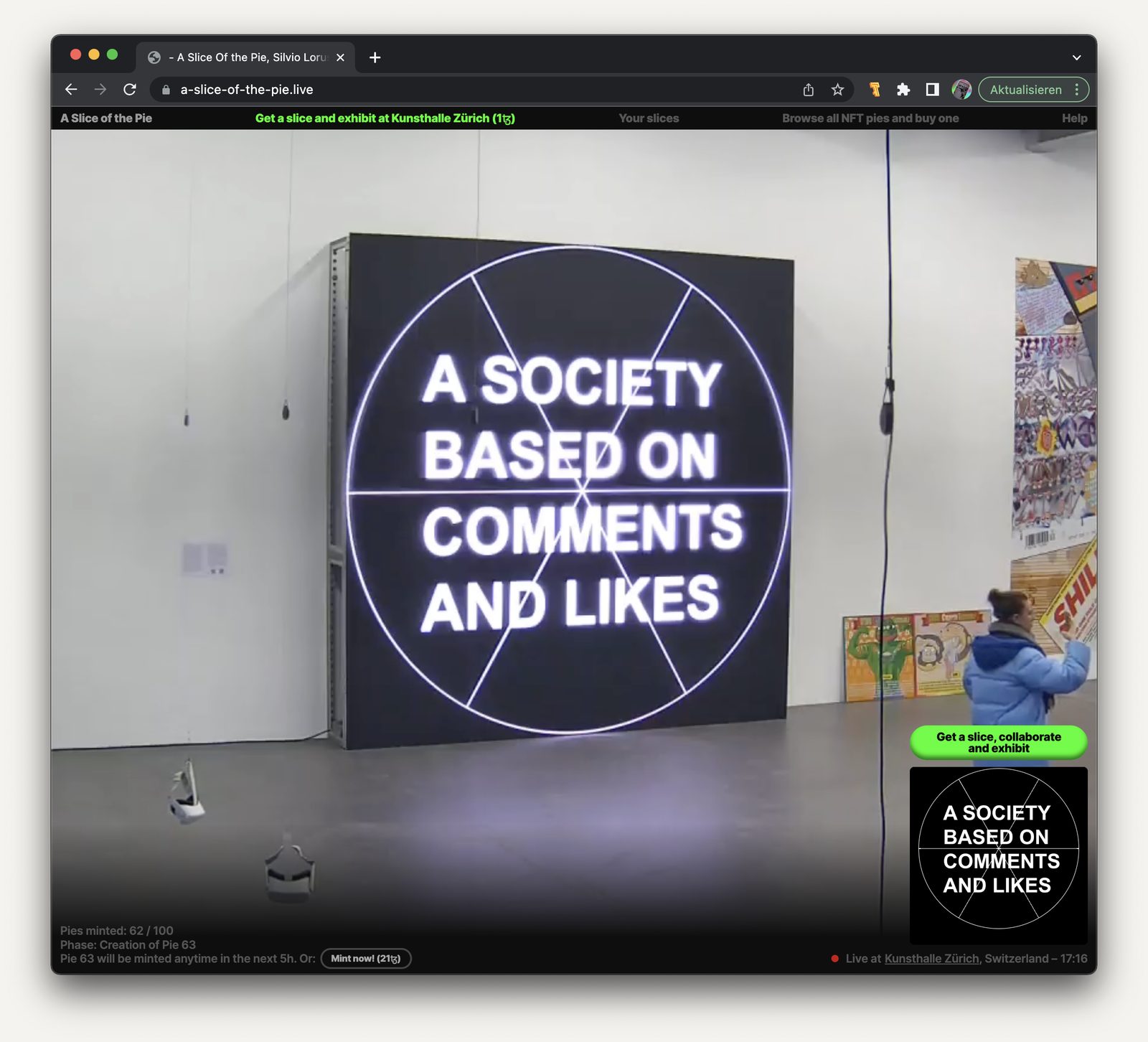
↗Florian Kuhlmann — A Society Based On Comments and Likes
Based on these probabilities, the processing subjects must act in the world and orient themselves socially as well as politically. All members of the cybernetic society continuously receive and process signals, which they use in complex hybrid operations for further calculation of reality and truth.
POWER
CONTROL
OPINION
FREEDOM
JOKES
memes
02 — Truth
Everything Is True
Parallel to the process of validation and verification, disturbing signals and noise must be filtered out of the information spectrum.
The smooth functioning of the cybernetic society always depends on signals as disturbance-free as possible, as well as on authentic, uncorrupted information. Therefore, disinformation is considered a major problem and opponent — yet one that is strategically understood and exploited.
Florian Kuhlmann — Everything Is True
The concept of fake news is successfully applied as a means of immunization against criticism from inside and outside, or for the neutralization of realities diverging too far from the mainstream.
As a simple rule of thumb applies: The more matching signals are received from different sources, the more likely something appears to be true and can then be marked as a truth — a truth which nevertheless always remains subjective, since it cannot in fact be verified.
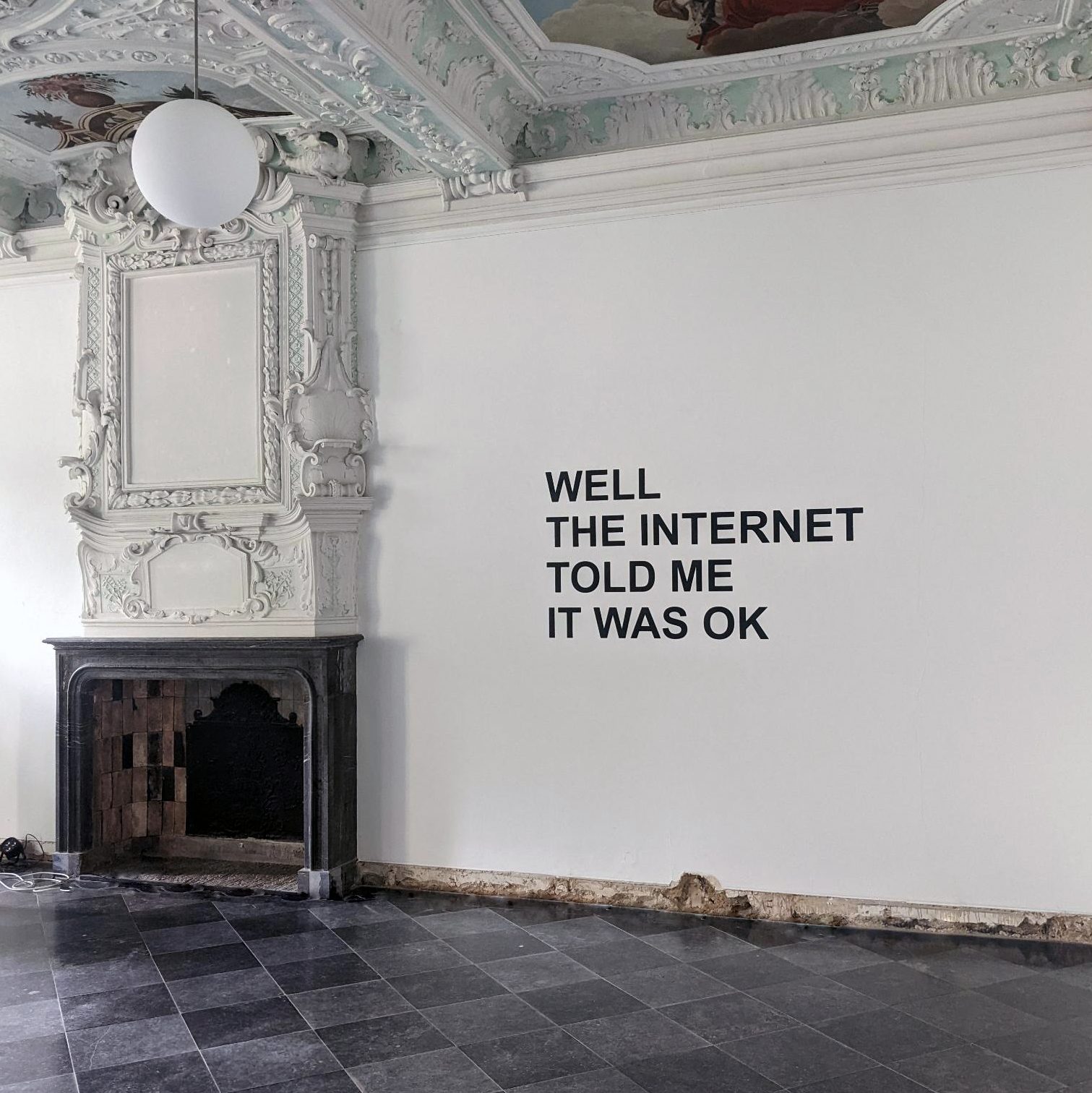
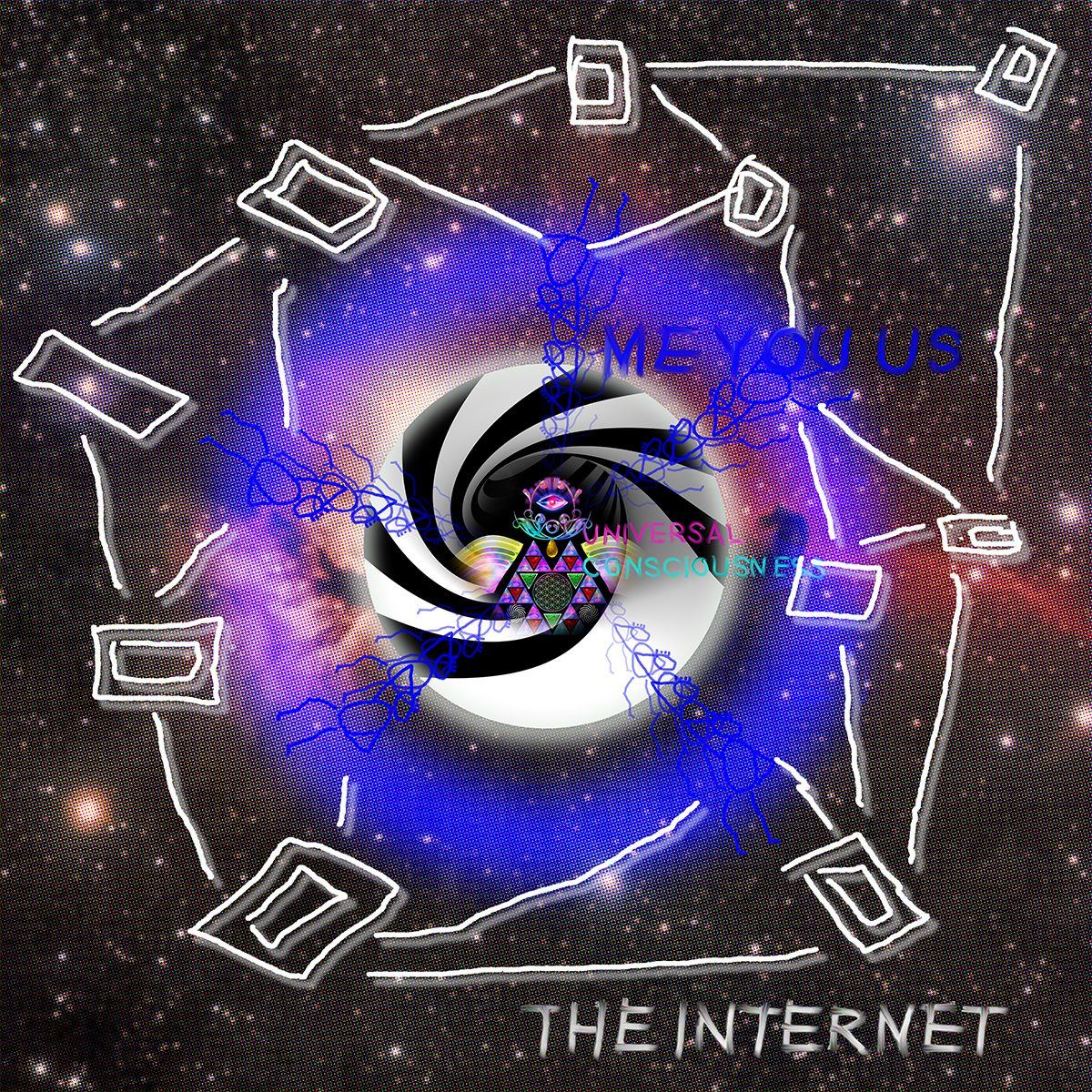
↗Florian Kuhlmann — Well the Internet Told Me It Was OK · Kunsthaus Kornelimünster
All humans involved in this techno-social situation are fully integrated senders and receivers — but not media themselves. Media are purely technological artifacts and, as integral parts of the machine, assimilated into the system. The communicative processes themselves are hybrid and synthetic, divided between users and the predominantly digital systems.
The heterogeneous, decentralized processes are demanding and challenging. This makes the cybernetic society both a permanent aesthetic temptation and, at the same time, a psychological strain for people — but also an ideal runtime environment for data- and signal-processing digital machines and their smart algorithms.
Alongside the medium of language, poetry, image, music, and film, there increasingly act — strengthened and in growing equality — signs, signals, data, codes, and memes in shaping structure. Information as a whole, and in real-time, is newly encoded, sent, received, and reinterpreted by everyone to everyone. In this way, they shape the emergence of shared social narratives and the realities built upon them.
The autopoietic imagination — the self-generating imagination — of synthetically networked multidimensional signal-processing by humans and machines replaces the human author and the narrative they develop. This imagination, driven by high-frequency feedback, unfolds an unprecedented, self-reinforcing dynamic that spreads across global data networks in the form of narratives. Through cybernetic techniques, the art of politics has been completely replaced.
The smallest element of this technological force is information. It is both sign and signal — pure, precise, digital, and clean, freed from the ambiguities of the analog. The systems analyze and decipher it, while at the same time it creates its own ideological context.
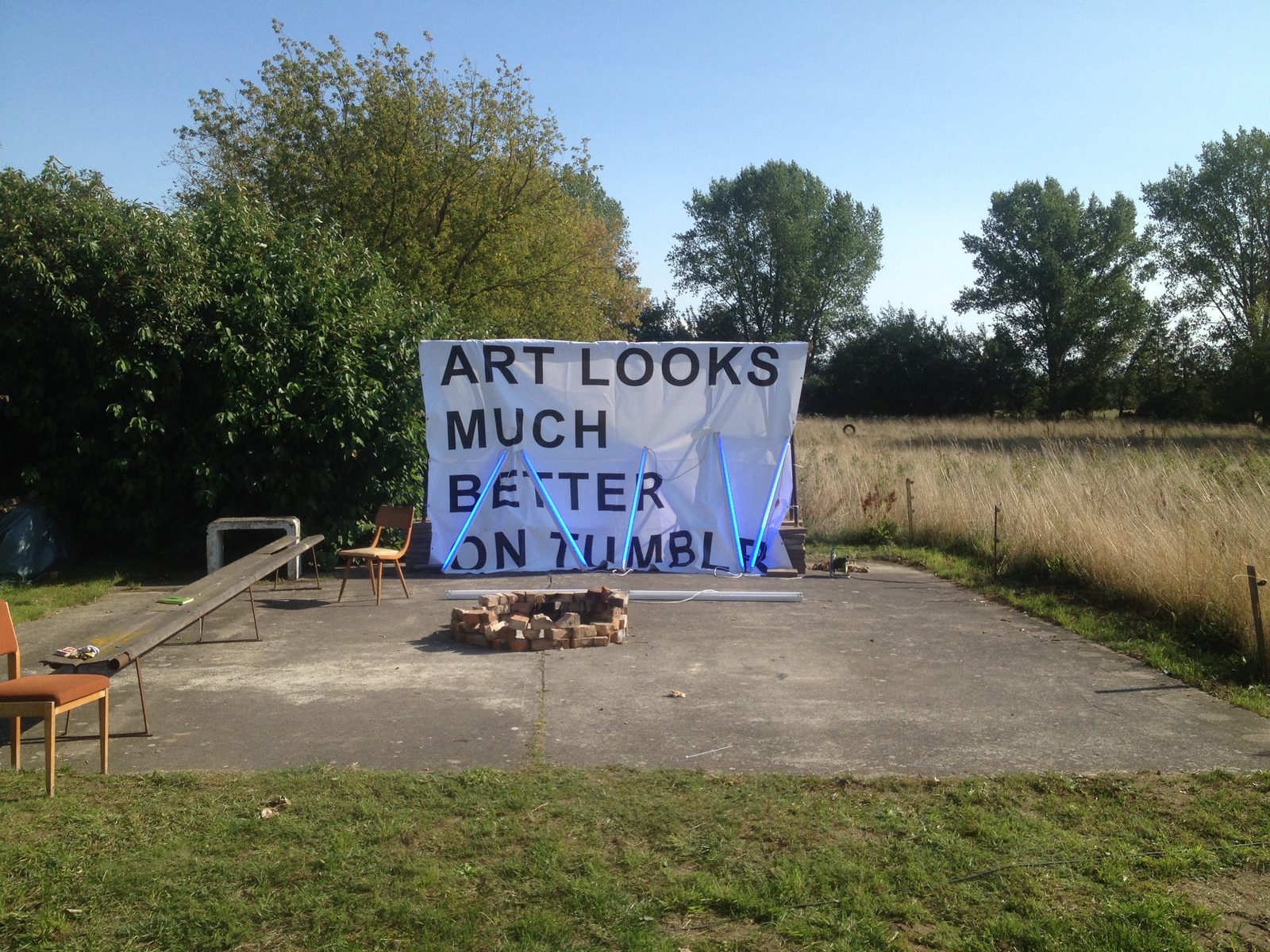
↗Florian Kuhlmann — Art Looks Much Better on Tumblr
A defining characteristic of the cybernetic society is the omnipresence of coincidence — the simultaneous but content-wise unconnected occurrence of phenomena, which exist side by side yet remain entirely separate. The identification of causalities, the theorizing based on them, and any criticism of formerly political categories such as domination appear strange, threatening, and suspicious in the cybernetic society. Such concepts are classified — as peculiarly factless constructs — as myths, fake news, or conspiracy theories, which one does not wish to be disturbed or unsettled by.
Only the fact, i.e., the rationally processable signal, is trusted. Only this — provided it is quantifiable — counts as truth.
This inevitably leads to the atomization and gradual dissolution of analog reality, as well as to a loss of trust in it. This loss of trust becomes especially evident in the turn towards a deep, quasi-religious belief in statistics, empirical facts, data-based scientific simulations, complex measurements, derived data series, and the models built upon them, which ultimately function magically to represent reality in order to replace it as a reference system.
04 — Content
Everything Is Content or Asset
In the cybernetic society, all information, signs, and symbols are always signals.
This is particularly evident in the transformation of the arts and the culture connected to them. The content produced there appears as formatted and formalized content on the surfaces of screens and then circulates as potential assets in the digital spheres.
Everything is content or asset — often both at once — but always a complexly structured web of interwoven levels of signs.
These are processed both by systems and by humans, triggering psychological affects, activating and deactivating social potentials for arousal, and thus contributing to the stabilization or destabilization of society. This process supports the ongoing program of self-regulating micromanagement.
Such a cybernetic world offers ideal conditions for the development of machines, algorithms, and artificial intelligence. These are specialized in recognizing, analyzing, and processing patterns on the basis of I/O signals.
In the signal-based cybernetic society, AI automatically unfolds cognitive processes superior to those of humans.
Especially in the social and political analysis of mass society, AI will surpass human actors. For only algorithms still possess the necessary capacities to filter out aesthetic characteristics, structures, and patterns from the enormous volumes of data, information, and signals, and to derive epistemologically reliable models and strategies from them. This gives digital systems a considerable strategic advantage over humans, who remain nearly blind at this level — unless they are directly connected to data processing via an interface and able to integrate external computing resources.
Florian Kuhlmann — Only the Bots Know the Truth
05 — The Network
Signals Sent and Received at High Speed
The internet and the computer technology on which it is based are natural, immanent components, the foundation, and the DNA of the cybernetic society. Over the network, signals are sent and received at high speed.
In this society, those are successful and capable of prevailing who are clear about the significance of their own signals and their reception, who know how to control them and employ them in a target-group-specific way, and who are able to integrate these factors into their own thinking and consciousness.
06 — Cybernetics
Society as Material
A central but repressed techno-art of the cybernetic society is cybernetics itself — that is, the science of feedback, regulation, and signal processing.
Cybernetics is a technique of domination, with the help of which the processes of society can be steered, finely adjusted, and regulated. Whoever understands its functions and mechanisms and knows how to use them gains power and influence, but at the same time becomes a prisoner of the attention economy associated with it. For through this, signals, reach, and feedback functions are transformed into capital, i.e., content, into assets.
Artists of the cybernetic society appear, among other roles, as influencers or activists and, in the case of success, develop a specific virtuosity in playing with the various concrete and subversive signs as well as with precisely placed control signals, in order to model the reactions of the audience according to their own intentions.
Thus, society itself becomes material that — given the appropriate expertise and artistic skill — can at any time be sculpturally worked and shaped, and indeed wants to be.
07 — The User
A User Is Whoever Logs In
The primary subject of the cybernetic society is no longer, as in post-Fordist capitalism, the citizen, consumer, and client, but the user.
Users are, with respect to their qualities, all the same — namely, actually without qualities. Their aesthetic contours are defined and acquired only through the use of the cybernetic, algorithm-based systems. In doing so, they shape the systems, which at the same time also shape them.
A user is whoever logs in. As users, people have access rights, i.e., access. This is granted or revoked by administrators and their agents.
For the broad masses, the central steering principle is no longer the allocation of resources through work, wages, and income, but rather the control over access to resources and services: Access Control. Ownership, that is, property in the classical sense, as well as autonomous, unlimited access to resources, are privileges of selected elites.
Access is the fundamental paradigm of the cybernetic society. Graded, finely configured access rights determine its central control mechanisms — and everything revolves around them.
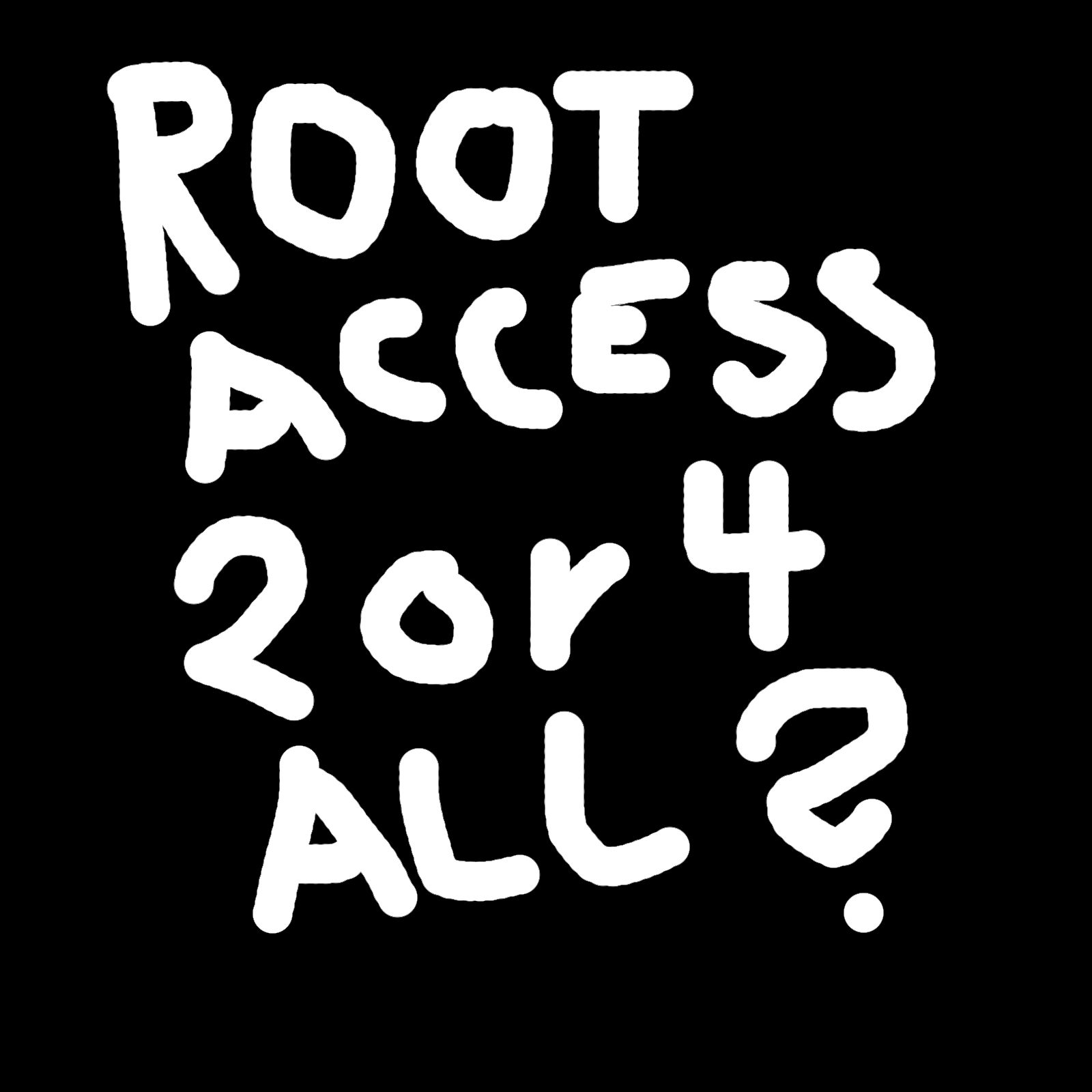
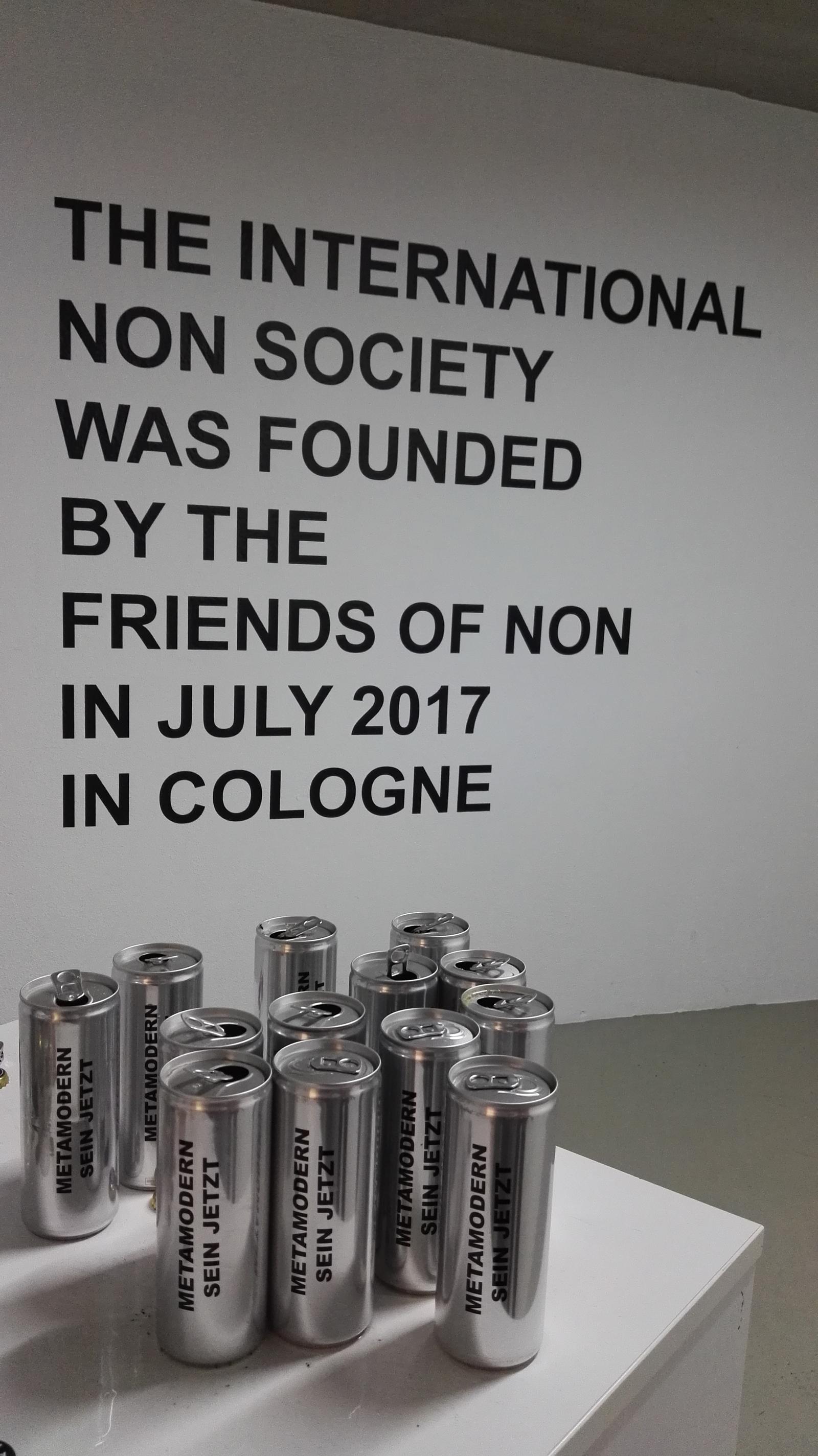
↗Cycle Recycle · installation↗The International Non Society · 2017
In the cybernetic society, there is no politics in the modern sense and no political discourse. The cybernetic society instead oscillates between various probabilities and, in the process, incessantly generates contradictions, which simulate discourses and evoke states of excitement — only for these then to be dissolved within a short time in self-overlapping orgies of feedback.
Thus, the cybernetic society appears highly dynamic and always progressive in its transformations, yet in the proper sense it is extremely static and conservative. It therefore exists in a state of constantly accelerating, racing standstill.
08 — Now
The Ever- Present Now
The cybernetic society knows — due to its renunciation of political discourse, its deliberate erasure of its own history, and its maximally accelerated communication — only the ever-present NOW and the resulting NOW-time, beyond which it never proceeds.
The NOW is total, serialized, and static in its constant dynamism.
The cybernetic society is, with respect to the NOW, strictly conservative in the truest sense of the word, for in the NOW a future begins anew again and again. And so the state of the NOW must be preserved at all costs.
In this way, the future can always begin, but can never unfold in any form. And thus there are only two options for the future: either it can only be thought of and perceived as a dystopian situation of threat, or it presents itself as a space that expands spatially but does not overcome the momentum of the current moment. In this way, everything always remains stable in the beginning.
The cybernetic society has completely delegated the management and steering of the NOW to algorithms. The rule of humans over humans is considered an outdated, barbaric anachronism, and the control of systems and their users is executed more effectively, noiselessly, and precisely than any human could ever do — by artificial intelligence.
What was once political debate or discourse has long since been transformed into content and stream — an entertainment product of the consciousness industry, in which all subjects participate via click, swipe, and wish.
The radical political avant-gardes of this society have internalized discourse simulation and the refined mechanisms of manipulation and have therefore officially renounced participation in discourses, in order instead to infiltrate communication between users and systems on the basis of highly complex meme strategies. In this way, they contribute to political entertainment.
Even though there is no property in the classical sense in the cybernetic society due to the massive inflation of things, every sign and every symbol is a potential asset — and beyond that part of a fantastic, all-encompassing, boundless speculation.
The assets fluctuate through the synthetic sphere between humans and machines and represent the wealth of each individual, but also of society as a whole. They are an elementary component of the highly complex economy of the cybernetic society and form the foundation of the entire resource allocation, which, using all the signals of all users, is tuned precisely to their needs.
Within this structure, distribution struggles for the securing of subsistence lose their original significance — scarcity is no longer a relevant variable in the cybernetic equilibrium — and become instead a playful form of entertainment.
↗Florian Kuhlmann — A Picture of a Dollar Saved as JPG on the Bitcoin Blockchain
In the cybernetic society, not only the wealth of all is algorithmically managed — even the highest good of humans, attention itself, must be integrated as a tradable asset into the resource flows.
Signs, gestures, and thoughts can and want to be transformed into value. In digital space, it is no longer only things that bear meaning, but also moods, trends, and narrative structures, which — based on the formal requirements of the systems — are transferred into tokenized assets. The quality of the assets depends both on their aesthetic complexity and on the structure of tokenization.
The signals of the cybernetic society consist of a multitude of signs — they are not to be read, but to be interpreted.
Among these signals are: Direct communication signals such as likes, emojis, posts, images, video clips, memes, messages, tweets and retweets, as well as the quantity and quality of followers.
Statistical values from economics and finance, including stock market prices, balance sheets, the development of derivatives or assets, as well as macroeconomic indicators such as unemployment rate and GDP growth.
Health and body data collected through tracking technologies and health apps, as well as statistics on the development of infectious diseases or on global temperature in the context of climate debates.
In short: everything that can be measured and quantified.
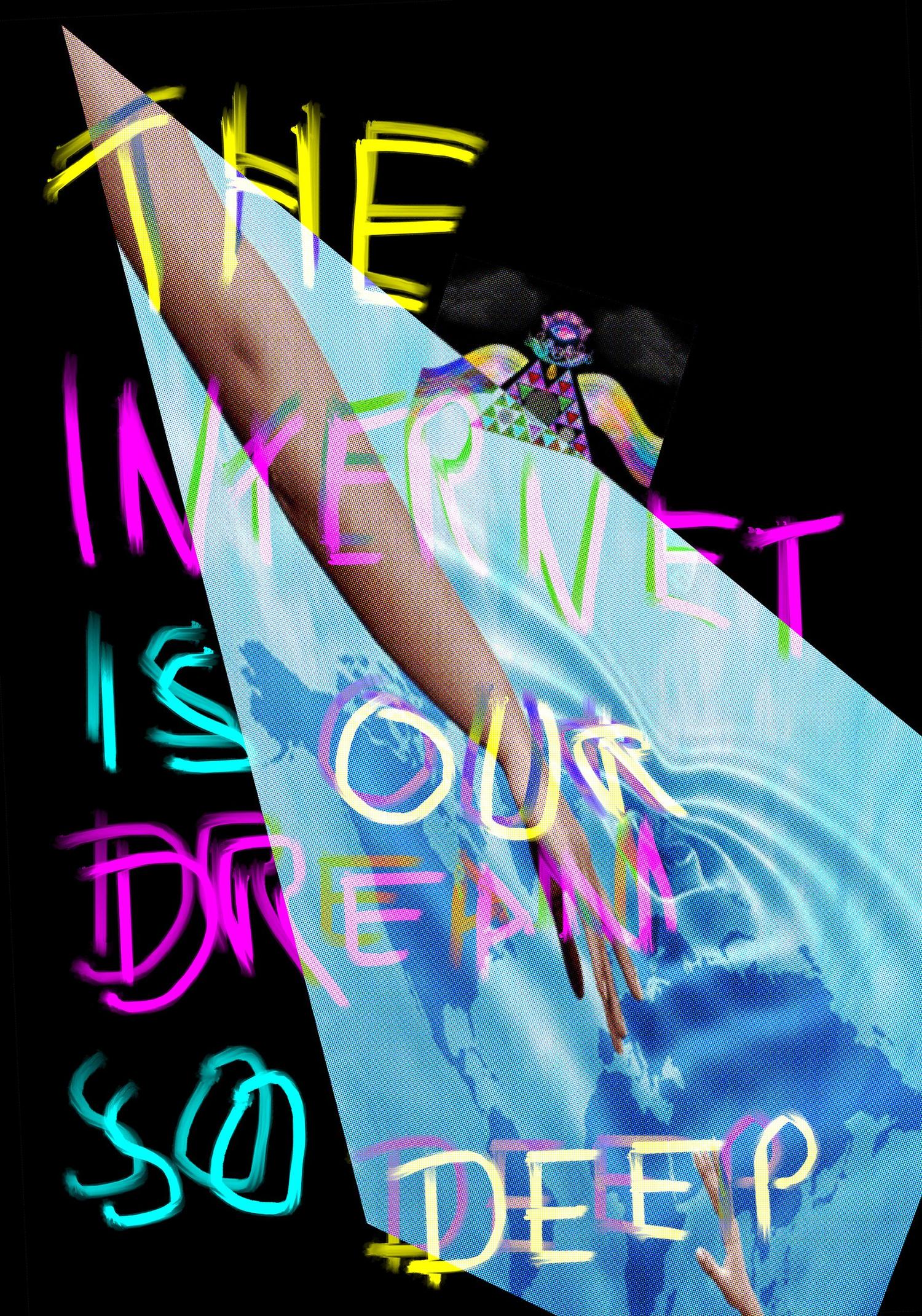
↗Florian Kuhlmann — The Internet Is Our Dream / DEEP
All these signs shape both the aesthetic surface and the epistemological structure of the cybernetic society. They flow into computer-generated models, which serve not only to explain the present and to forecast future developments, but above all to legitimize unpopular yet system-stabilizing political decisions.
The data-based world model forms the foundation of all political, social, and scientific entertainment debates. The interpretation of these models and simulations is the core of a permanent high-speed discourse simulation.
The cybernetic subject signals social belonging by expressing interests and preferences or by supporting or rejecting specific issues and opinions. Identity arises primarily through belonging and distinction within different user groups. Since mutual observation and self-observation are central structural elements of society, transparency is an essential factor of the cybernetic order. For self-reflective analysis, it is crucial to know who is connected with whom in what way, who performs which activities, and who participates in which events.
The resulting connection data serve as an instrument of analysis — not only for the users themselves but above all for the control AI. On the basis of these data, it develops derived strategies and implements them in the social space.
↗Florian Kuhlmann — Buy Memes When There Is Blood on the Tweets
For successful automated digital control, stimulation, and possible steering of the cybernetic society, as many valuable metadata as possible are needed, allowing conclusions about the quantity and quality of the connections between individual subjects.
These metadata are the treasure and the knowledge of domination for digital corporations as well as for states and their various secret services. Over time, this association of semi-state, semi-private supranational structures has fused into a single, tightly interwoven, state-supported consciousness industry.
Rational, deterministically comprehensible, and predictable action, as well as algorithm-based processing of the corresponding signals and models, constitute the desired modus operandi of this consciousness industry. Its concern is to regulate society as smoothly as possible to the satisfaction of all and to efficiently manage resource allocation among the actors.
Therefore, the cybernetic society continuously strives for maximum optimization — in data, signals, and algorithms. This optimization is based on the permanent evaluation and re-weighting of an endless stream of feedback signals, through which the overall system regulates and recalculates itself in every microsecond.
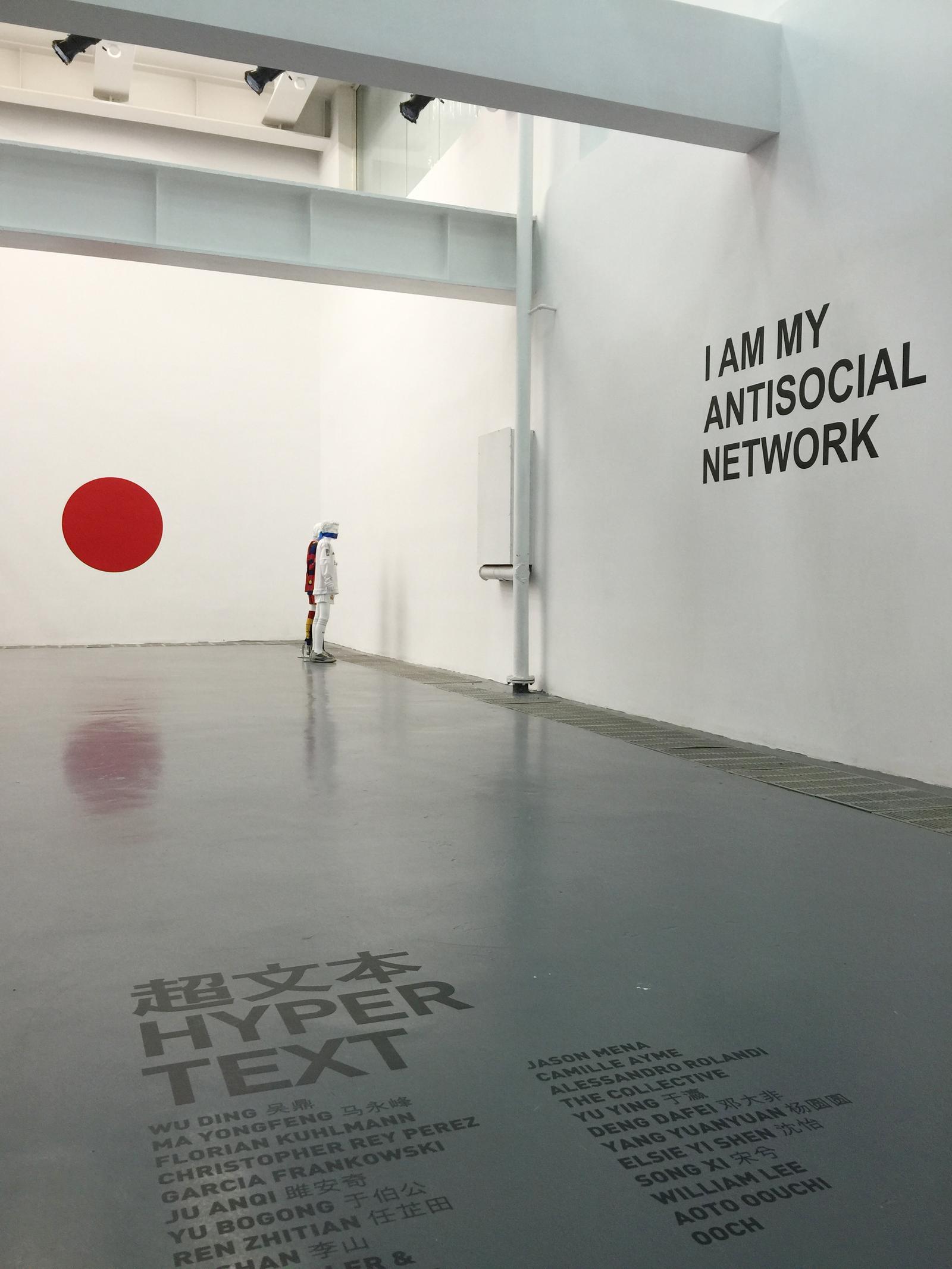
↗Florian Kuhlmann — I Am My Antisocial Network Intelligentsia
The desired calculability of the situation, however, inevitably leads again and again to hardenings within social processes, which regularly must be disrupted so as not to endanger the endless dynamism of the cybernetic society.
10 — Energy
The Collective Unconscious as Interface
Since society is highly complex but, due to its calculability, ultimately largely deterministically organized, a source of new impulses is needed — this source is the human unconscious.
While the technological systems regulate themselves through feedback loops, the same occurs on the individual level through spiritual practices. Meditation, dream, and myth thus become invisible feedback mechanisms that modulate both the unconscious and consciousness and thereby transform society as a whole.
Physical and psychic energy form the foundation of the cybernetic society — whether as signal, feedback, or flow of information. Yet with the ongoing integration of human and machine it becomes evident that energy does not exist only as a calculable current, but also as dynamic informational potential that steers and shapes processes.
The ephemeral forces of the unconscious, the resonances of spiritual practice, and the mythological charge of narratives are increasingly recognized as equal, if not essential, parameters of systemic dynamics.
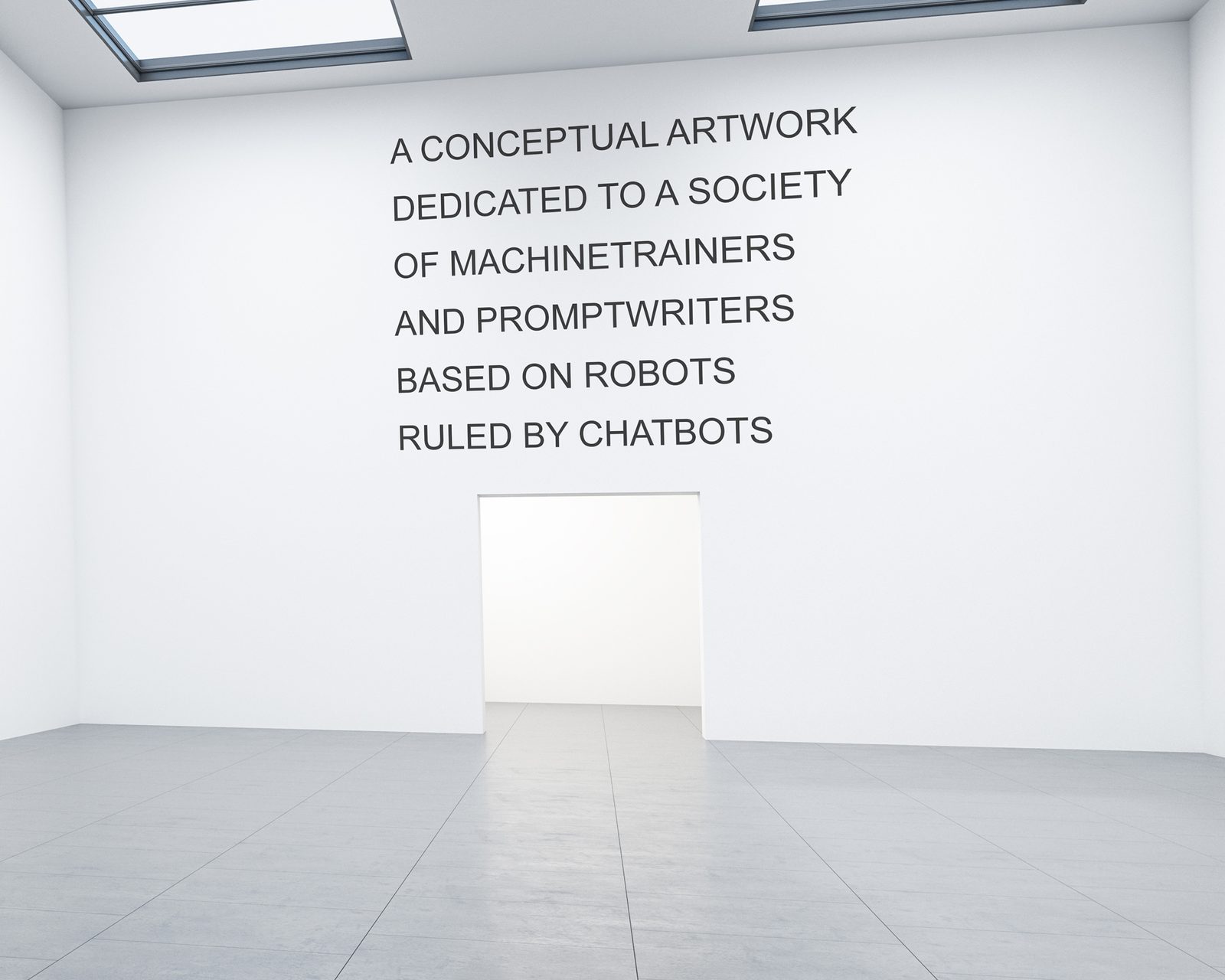
↗Florian Kuhlmann — TextToken — A Society of Machinetrainers
The perpetual energy and power center of the cybernetic society is the collective unconscious, to which human users serve as the interface.
The users are the interface connecting the impulsive element of the infinite force of the unconscious with the digital computing systems. From this force is drawn the disruptive energy with which the entire structure is repeatedly newly transformed and configured.
The path of energy and information is always bidirectional: what is read out as output is processed by human and machine and then reintroduced elsewhere via interfaces as input — and vice versa.
And so, with the ongoing integration of human and machine, the mystical processes of the unconscious and subconscious, the metaphysical, and the energies of spirituality move ever more strongly into the focus of the subjects. For them, the promise of non-deterministic constellations beckons, along with the constant creative modification of the self and of the existing status quo.
Moreover, a profound interplay reveals itself between the measurable order of digital systems and the non-calculable energies of the human mind. The cybernetic logic and the spiritual principle do not appear as opposites, but as complementary structures within a highly dynamic synthetic network.
The self-regulating system thus exists in constant symbiosis with the elements not cybernetically integrable, or with the unregulatable components of the analog, oneiric subsystems of the users.
Dream and transcendence thus form the actual power center of the cybernetic society. Spirituality and myth define the force that releases new energies through the human being, on the basis of which new capital can be generated.
This then stands ready for new fantastic speculations, through which both individuals and society as a whole can continuously invest, expand, and drive their own evolution forward.
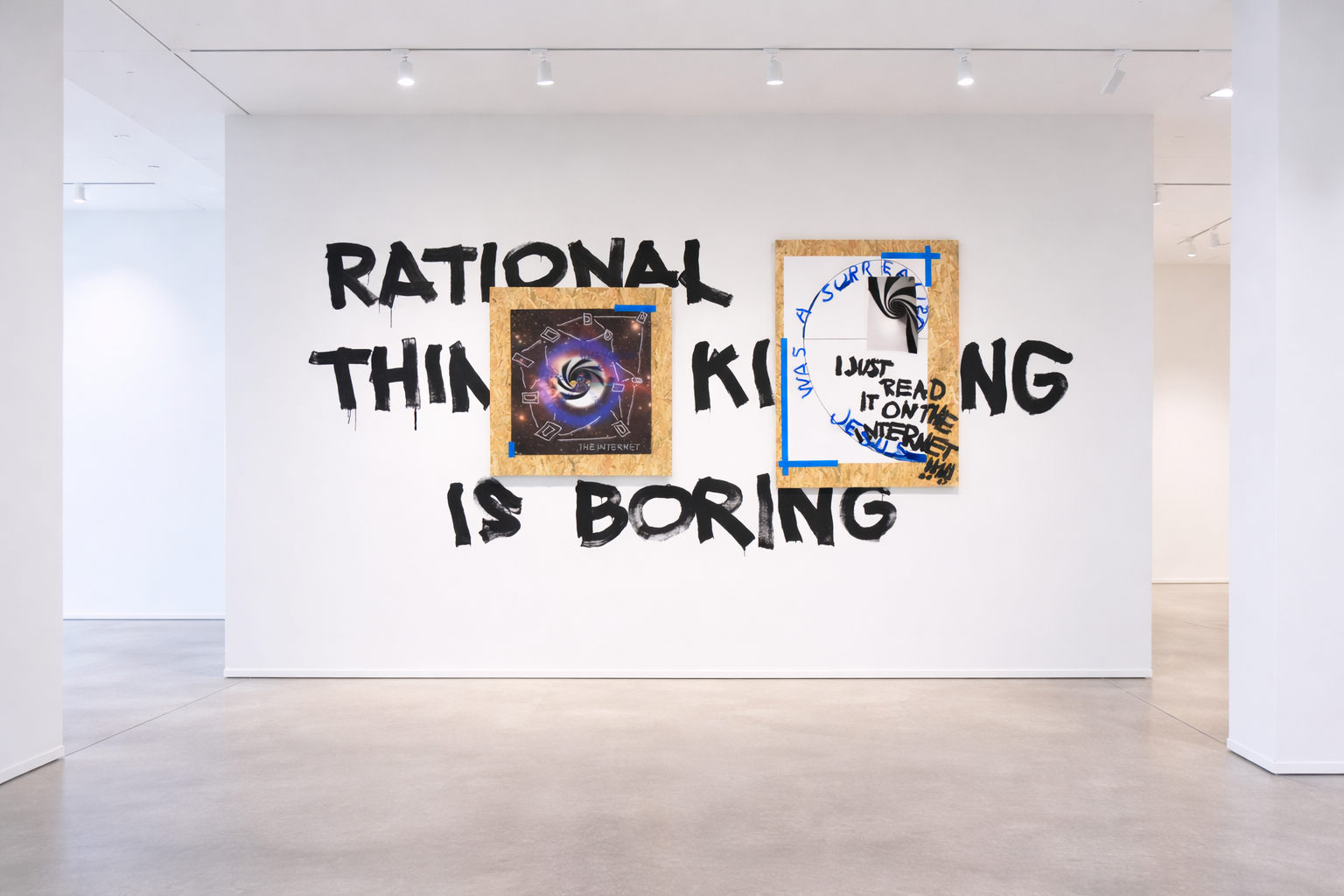
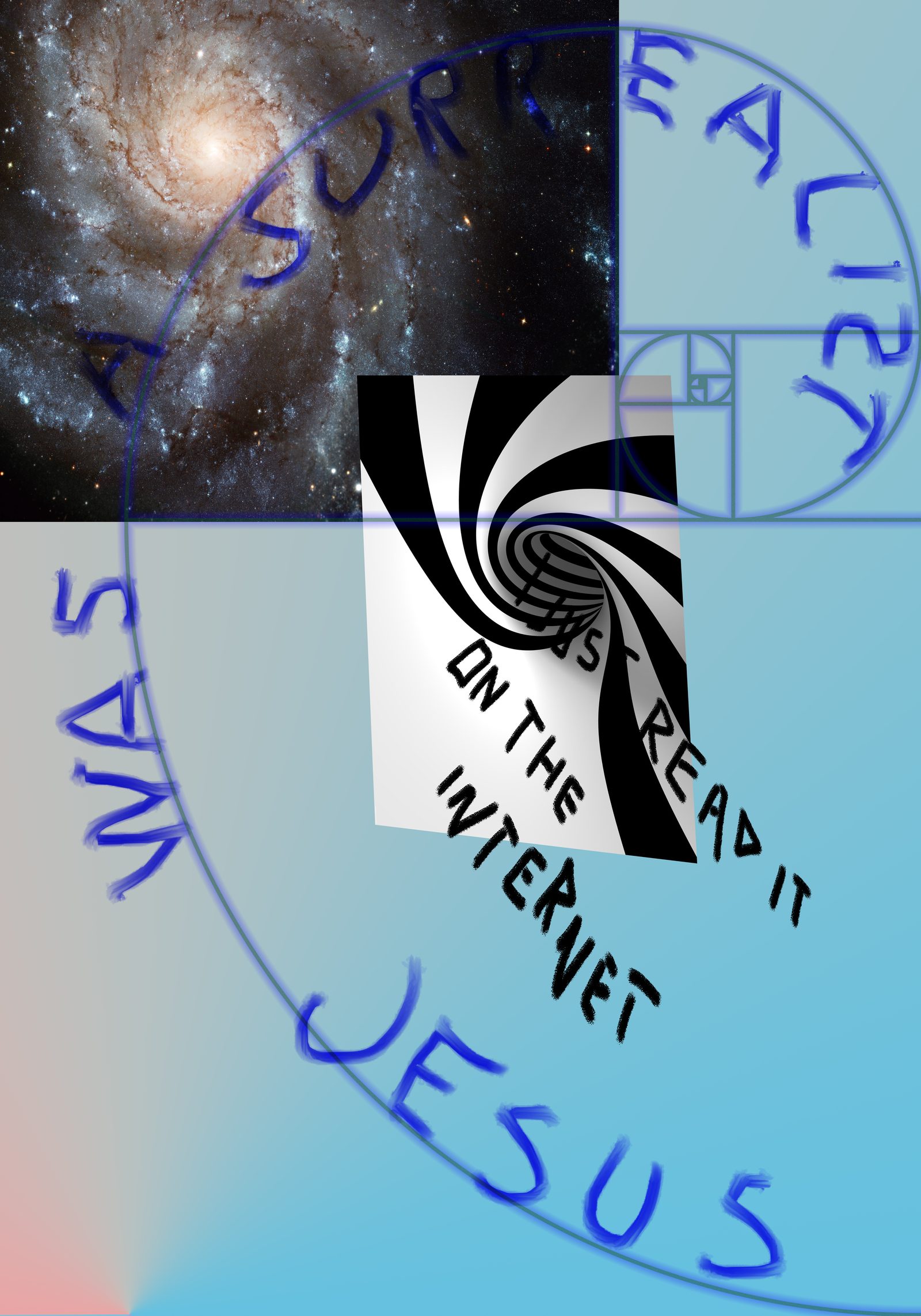
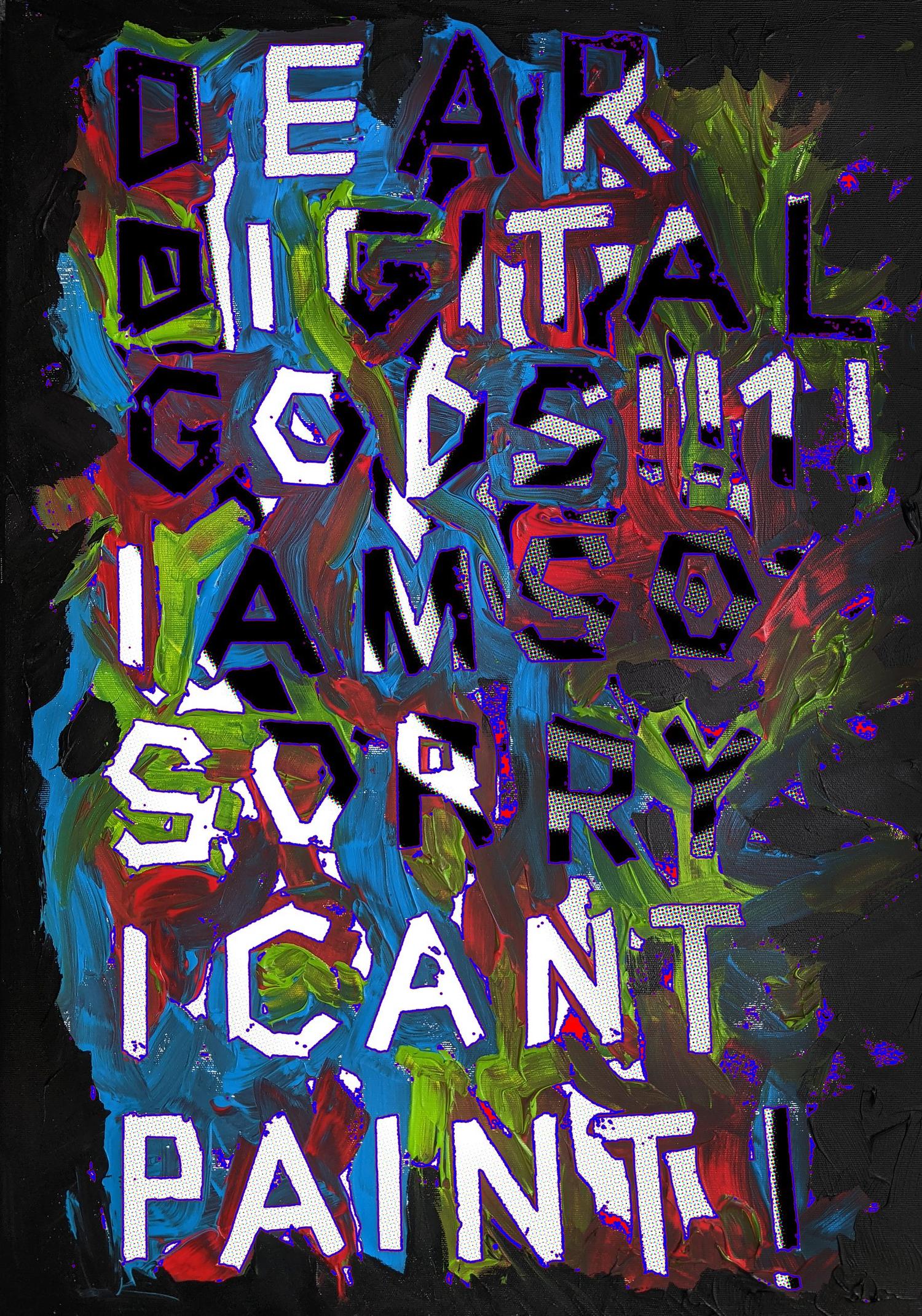
↗Jesus Was a Surrealist↗Dear Digital Gods I Am So Sorry
End of the Cybernetic Society
Metamodernism starts now.
· · ·
Related Practice
Projects, series, and curatorial work
Selected projects from twenty-five years at the intersection of art, theory, code, and digital architecture — running parallel to the text you have just read.
Florian Kuhlmann (b. 1974 in Amsterdam) has been working for over 25 years at the intersections of human consciousness, technology, and simulation. His practice moves between art, theory, and digital architecture.
In his work, Kuhlmann examines how digital infrastructures reshape perception, identity, and social organization. Concepts such as the cybernetic society, metamodernism, artificial intelligence, and emerging economies form central reference points within his artistic and theoretical framework.
He combines media-theoretical reflection with digital and network-based formats, ranging from HTML-based web works and generative systems to NFT and blockchain projects. His works explore feedback loops, tokenization, symbolic systems, and the transformation of political and cultural processes within the digital sphere.
With his book The Cybernetic Society, Kuhlmann formulates a theoretical condensation of this practice, positioning art as an experimental field for emerging societal models.
"Hi, I'm Florian Kuhlmann — a creative mind, nerd, coder and artist from Düsseldorf, Germany. I'm part of the last generation that remembers life before computers, the internet, and smartphones took over our lives."